
Show summary Hide summary
- YouTube Music lyrics paywall and what has changed
- Why lyrics restrictions matter for free tier listeners
- Business logic behind paywalling lyrics on a music platform
- What Premium now means for lyrics and everyday listening
- Practical options and workarounds for affected users
- Checklist to decide your next step with YouTube Music
- Why is YouTube Music limiting lyrics for free tier users?
- How many lyrics views do free users currently receive?
- Is the lyrics paywall a final change or still a test?
- Do other music streaming services charge for lyrics access?
- What benefits does YouTube Music Premium provide beyond lyrics?
Five songs. That is the new invisible wall many YouTube Music listeners are suddenly hitting when they tap the lyrics tab. The message that appears – warning about remaining views and inviting you to “unlock lyrics with Premium” – signals a quiet but significant shift in how this music platform thinks about free access and paid perks.
For anyone who relies on on-screen lyrics to discover new music, learn languages, or simply follow along, this feature update raises a practical question: how much of your listening experience is still truly free, and where do the new restrictions start to shape your daily habits?
YouTube Music lyrics paywall and what has changed
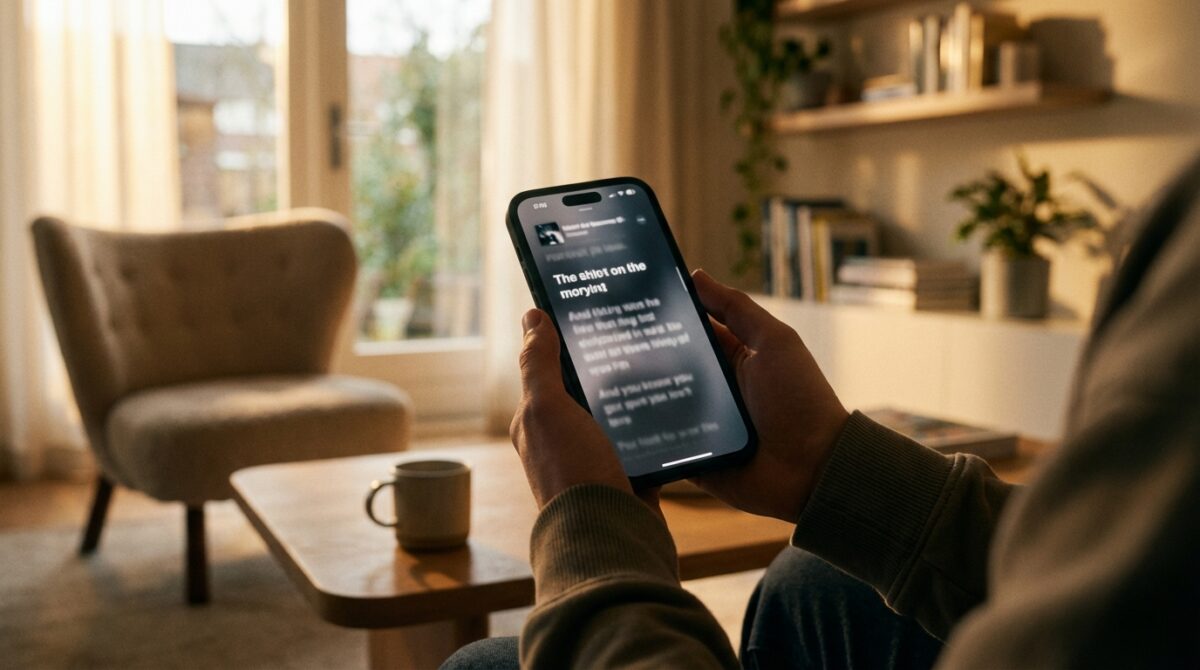
Lyrics on YouTube Music used to feel almost invisible as a feature. Since around 2020, you opened the Now Playing screen, tapped the lyrics tab, and the words simply appeared. No warnings, no countdown, and no mention of a subscription model. Recently, multiple users started reporting a very different experience, highlighted by a counter that tells you how many lyric views you have left as a free tier listener.
Keep Your Laptop Alive: A Step-by-Step Guide to Installing Windows 11 on Unsupported Devices
ExpressVPN Unveils Four Innovative Standalone Applications
After roughly five songs, free users now see only a few lines of text. The rest of the lyrics appear blurred, accompanied by a prompt encouraging an upgrade to Premium. This change turns a once open feature into a metered one. Even if you listen to the same track repeatedly, you may feel pushed to rethink how often you open that tab, because each view appears to count against your limited allowance.
Why lyrics restrictions matter for free tier listeners
On the surface, lyrics might seem like an optional extra, but many listeners treat them as part of the core music streaming experience. Think about someone like Maya, a student who uses YouTube Music several hours a day. She studies English through song lyrics, pausing, rewinding, and reading each verse carefully to catch unfamiliar expressions and pronunciation hints.
When the lyrics tab becomes partially locked for Maya after a handful of songs, the impact goes beyond mild annoyance. Her learning routine suddenly depends on whether she is willing or able to pay for Premium. The same applies to karaoke nights, choir rehearsals, or parents helping children follow clean versions of tracks. In practice, content limitations around lyrics reshape how these everyday scenarios work.
How this feature update alters user access patterns
Before the change, a free tier account on YouTube Music already carried compromises: advertising, no offline downloads, and limited background play in some contexts. Lyrics, however, felt like neutral ground, similar to viewing album artwork or track metadata. By introducing a paywall here, the platform creates a new hierarchy of features, where even reading words on the screen is treated as a premium privilege.
This adjustment may nudge users into new behaviors. Some will reserve their limited lyric views for complex songs. Others may copy lines manually when they still have access, building personal archives outside the music platform. A portion of the audience will likely switch to dedicated lyric websites or alternative apps, reintroducing a multi-step workflow that music streaming had previously simplified.
Business logic behind paywalling lyrics on a music platform
Behind the scenes, delivering lyrics is not free for a service like YouTube Music. Large music platforms typically work with specialist partners such as Musixmatch or LyricFind. These companies maintain vast lyric databases, negotiate rights with publishers, and handle localization. Every synchronized line displayed on the screen represents licensing work that someone, somewhere, has to finance and maintain.
As music streaming economics tighten, leaders across the sector are searching for places to recover costs without raising base subscription prices too quickly. Lyrics present a tempting candidate: they are highly valued by engaged listeners yet not strictly required to play audio. By limiting full access to paying customers, YouTube Music can argue that Premium subscribers fund an enriched experience, while the free tier remains a path to basic listening.
Comparing YouTube Music to Spotify, Apple Music and others
The competitive landscape offers a revealing contrast. Spotify attempted a similar move in 2024 when it briefly placed lyrics behind its own Premium paywall. User backlash was intense and swift. Social networks filled with complaints, and many listeners threatened to migrate to Apple Music or rival services that still exposed lyrics at no extra charge. Within weeks, Spotify reversed course and restored full lyric access for free accounts.
YouTube Music appears to be following a more gradual, test-driven path. Reports suggest that the lyrics restrictions first appeared to a limited group of users around September, then expanded quietly. Official confirmation has been limited, which allows the company to observe reaction, fine-tune the subscription model, and decide whether the feature update becomes permanent or remains an experiment in monetization strategy.
What Premium now means for lyrics and everyday listening
The current Premium subscription for YouTube Music in the United States sits around $10.99 per month, aligning with Spotify, Apple Music, and Amazon Music. That price no longer buys only ad-free listening or offline downloads. In this new configuration, it effectively buys unrestricted lyric access as well, turning words on a screen into a defined benefit inside the subscription model.
For a listener considering whether to upgrade, lyrics join a wider bundle of features. Premium offers ad-free playback, background listening on mobile, downloads for flights or commutes, and in some regions emerging AI functions such as smart playlist generation or mood-based recommendations. When these perks combine with full lyric visibility, many users will calculate whether the cumulative value justifies a recurring monthly charge.
Real-world scenarios: from casual listeners to power users
Imagine three different types of users. The first, a casual listener, mainly plays background music while working and rarely checks the lyrics tab. For this person, the new restrictions feel minor, and remaining on the free tier makes sense. The second user is a dedicated fan who studies every line of new albums on release day. For this fan, blurred verses quickly become frustrating and may tip the balance toward upgrading.
The third profile is a creator or vocal coach who relies on accurate on-screen lyrics during rehearsal sessions. Each rehearsal might cycle through many songs, rapidly consuming the limited allotment of views. In such a case, Premium feels less like a luxury and more like a professional tool. These varied situations show how the same feature update carries very different weight, depending on how intensively someone uses lyrics.
Practical options and workarounds for affected users
Once free tier users run into the new lyrics restrictions, they effectively face four realistic paths. They can accept the limitation and reserve their remaining views for special tracks. They can subscribe to YouTube Music Premium and unlock full access. They can switch to another music streaming service whose lyrics policy they prefer. Or they can decouple audio and text by listening on YouTube Music while reading lyrics on separate sites.
Each option has trade-offs. Maintaining the free experience keeps costs at zero but fragments discovery workflows. Moving to Premium centralizes everything in one interface at a known monthly price. Jumping to a competitor introduces migration tasks such as recreating playlists. Balancing these considerations requires clarity about what you value most in your daily listening habits.
Checklist to decide your next step with YouTube Music
If you are unsure how to respond to this feature update, a simple checklist can help structure your decision:
- Track how often you actually open the lyrics tab during a typical week.
- Estimate how much time you spend searching lyrics on external websites.
- Compare the total monthly cost of Premium with other digital subscriptions you already pay.
- Evaluate whether alternative platforms handle lyrics and content limitations in a way that better matches your expectations.
- Consider upcoming life events, such as travel or exams, where offline listening or AI features could add extra value.
Answering these points honestly gives you a clearer sense of whether the new restrictions are a minor inconvenience or a strong signal to change how you engage with this music platform.
Why is YouTube Music limiting lyrics for free tier users?
Lyrics often involve licensing costs paid to aggregators and publishers. By restricting full lyric access to Premium subscribers, YouTube Music aligns those ongoing costs with paying users while keeping basic audio streaming available for free listeners who accept content limitations.
How many lyrics views do free users currently receive?
Reports indicate that free tier listeners can access full lyrics for about five songs before the remaining verses are blurred. After that threshold, the service displays only a few lines and prompts users to unlock unlimited access with a Premium subscription.
Is the lyrics paywall a final change or still a test?
Google has not issued a detailed public statement confirming the final status of this feature update. The rollout appears broader than an early experiment, yet the company may continue to adjust or refine the implementation based on user feedback and internal business objectives.
Do other music streaming services charge for lyrics access?
Crunchyroll Subscription Price Increase: What It Means for Your Plan
New Feature Lets Everyone Access Ring Doorbells to Help Find Lost Dogs
Policies differ between services. Spotify briefly put lyrics behind its Premium paywall in 2024 but restored free access after user backlash. Apple Music and Amazon Music bundle lyrics with their paid tiers, and each music platform regularly reviews where to draw the line between free access and paid features.
What benefits does YouTube Music Premium provide beyond lyrics?
Premium subscribers receive ad-free playback, offline downloads, background listening, and in some regions AI-driven tools such as personalized mixes. Unlimited lyrics access now joins this package, giving paying users a more integrated experience while free tier accounts live with tighter content limitations.