Show summary Hide summary
- EU app market: How regulation unlocked Apple alternatives
- AltStore PAL and the rise of self-hosted app ecosystems
- From Setapp Mobile to Epic and Aptoide: Experiments that reshaped the EU app market
- Japan and beyond: How new laws extend app store competition
- Practical playbook: How to navigate alternative app stores in 2026
- Key steps for a sustainable multi-store strategy
- Are alternative app stores on iOS safe to use?
- How do developer fees compare between Apple and alternative stores?
- Can users outside the EU or Japan access these new marketplaces?
- What types of apps benefit most from alternative distribution?
- How should a new studio choose its first alternative app store?
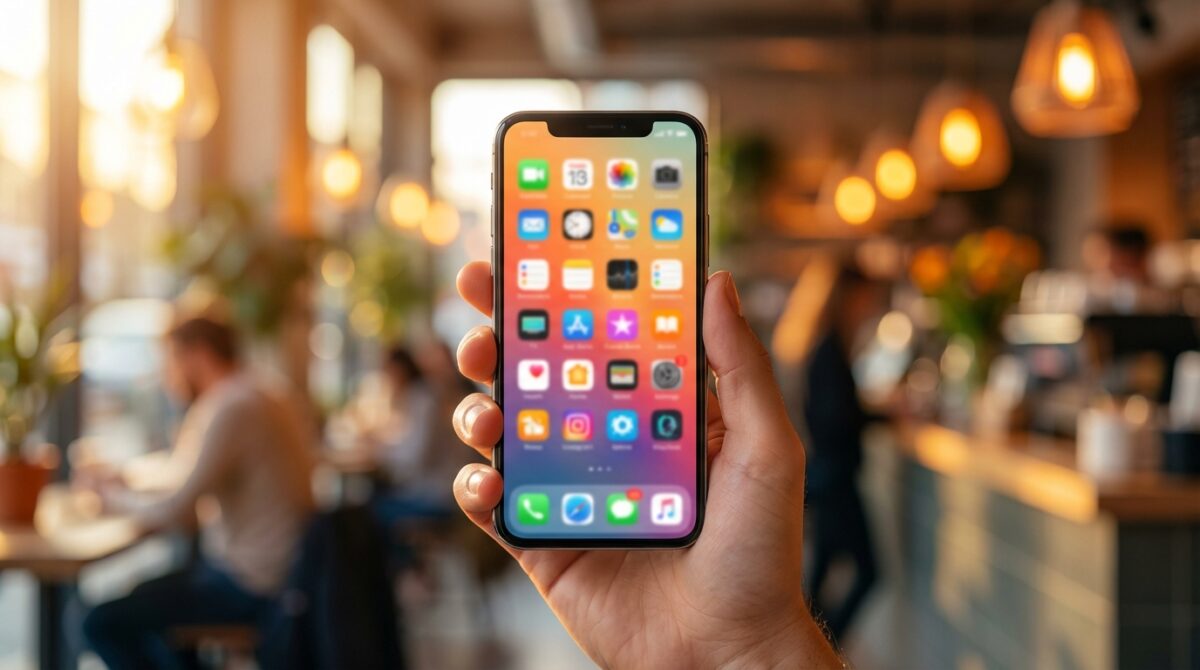
Imagine opening your iPhone and choosing where to download apps the same way you choose a streaming platform. That shift is finally happening, and the first wave of users in Europe and Japan are already living inside this new reality of alternative app distribution.
EU app market: How regulation unlocked Apple alternatives
When the EU’s Digital Markets Act (DMA) came into force, few everyday users expected it to change how they install Mobile Apps. The law targets powerful gatekeepers, and for iOS that meant forcing Apple to open the door to Alternative App Stores. Instead of a single, tightly controlled App Store, iPhone owners in the EU can now pick from several Digital Marketplaces that coexist with Apple’s platform.
This shift matters for three groups at once. Developers gain fresh App Distribution channels with different fee structures and discovery models. Users see new curation styles, payment options, and even niche tools that would never pass Apple’s usual rules. Regulators finally observe real App Store Competition, rather than theoretical debates. Reports such as recent coverage on EU app marketplaces show how quickly European Tech companies moved to fill this space.
Wispr Flow Unveils Android App Featuring AI-Driven Dictation Technology
Slay the Spire 2 Set to Launch Early Access on March 5
From strict review to notarization and new business terms
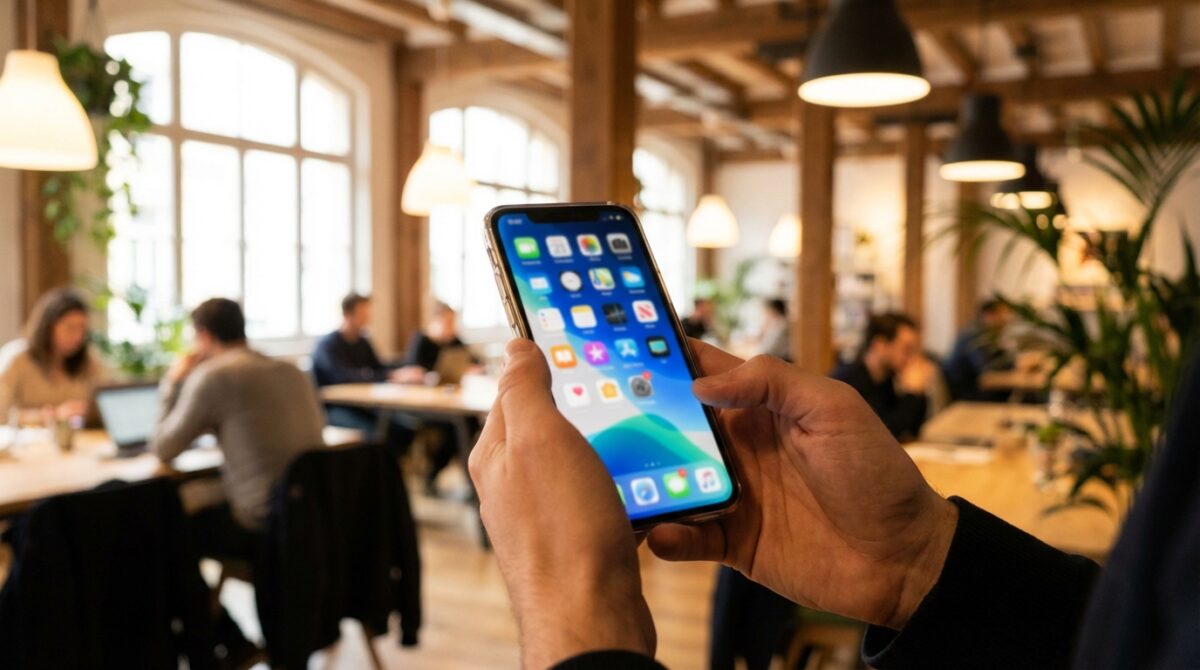
Apple’s response combines openness with control. Apps obtained from third‑party stores no longer pass through the classic App Review process. Instead, they undergo a notarization step, where Apple checks only baseline platform integrity such as absence of malware or obvious security threats. Policy decisions, content moderation, and refund handling shift to the marketplace operator, which transforms each store into a true service provider rather than a thin layer over Apple.
For anyone running an EU App Market, the fine print is demanding. Developers that operate a marketplace must agree to alternative business terms and pay a Core Technology Fee of €0.50 for every first annual install of their store app. This fee applies from the very first install, even though ordinary DMA‑compliant apps on iOS only start paying once they pass one million yearly installations. The economics are therefore very different from publishing a single app, and only teams with a solid plan can justify this commitment.
AltStore PAL and the rise of self-hosted app ecosystems
To understand how creative this new landscape can become, consider AltStore PAL. Co‑created by Riley Testut, best known for the Delta Nintendo emulator, this Alternative App Store in the EU turns the classic catalogue model upside down. AltStore itself ships only a few flagship apps, including Delta and a productivity‑oriented clipboard manager called Clip, yet its real power lies in letting independent developers self‑host their creations.
Rather than uploading binaries to a central warehouse, a developer downloads an alternative distribution packet, installs it on a personal server, and exposes a “source” URL. Users add that source inside AltStore PAL and gain access to that developer’s apps only. The result feels closer to subscribing to a podcast feed than browsing a supermarket. You only see what you explicitly choose, which appeals strongly to advanced users who already know the kind of tools they want.
What self-hosting means for users and creators
This design encourages a very different App Ecosystems dynamic. A power user can subscribe to a handful of trusted creators and effectively build a bespoke store. Popular examples include the UTM virtual machine app for running Windows or Linux on iOS, OldOS for nostalgically recreating iOS 4 with SwiftUI, and utilities like Kotoba, iTorrent, qBitControl, and the social discovery app PeopleDrop. Each source becomes a tiny brand with its own relationship to its audience.
For a fictional studio like NovaByte, a small team building experimental productivity tools, self‑hosting removes the anxiety of being rejected for nonstandard features. NovaByte can talk directly with its community, roll out betas rapidly, and keep pricing under full control. The trade‑off is visibility. There is no global ranking chart, so NovaByte must invest in community building, newsletters, and social media rather than depend on default App Store search traffic. That tension between freedom and discoverability will define many Apple Alternatives in the coming years.
From Setapp Mobile to Epic and Aptoide: Experiments that reshaped the EU app market
Not every attempt to challenge Apple’s distribution rules succeeds, yet even short‑lived experiments leave learnings. MacPaw’s Setapp Mobile, for example, launched as a subscription‑based EU App Market that bundled dozens of curated apps under one recurring fee. The service echoed Setapp’s long‑standing Mac offering, focusing on polished, ad‑free utilities without in‑app purchases, though it lacked mainstream brands such as Facebook or Netflix.
By early 2026, MacPaw announced that Setapp Mobile would shut down. The company cited evolving DMA terms and business constraints that clashed with its subscription model. For observers, this case underlines a key point: regulation may open doors, but sustainable economics remain hard. A store operator must balance Apple’s Core Technology Fee, marketing costs, and commissions while still giving developers a compelling deal. The Setapp story now serves as a cautionary case study in every European Tech conference discussing Digital Marketplaces.
Epic Games Store, Aptoide, Mobivention and Skich’s swipe model
Other players have pursued sharper, more targeted strategies. Epic Games launched its own store on iOS in the EU after years of legal confrontation with Apple over Fortnite’s removal. The new marketplace lets users download Fortnite, Rocket League Sideswipe, Fall Guys, and future titles, and Epic also distributes select games via AltStore PAL, Aptoide’s iOS store, and ONE Store on Android. This multi‑store strategy reduces dependence on any single gatekeeper and echoes broader discussions captured in analyses like industry reports on alternative distribution.
Lisbon‑based Aptoide, already known as a Google Play alternative, launched an invite‑only iOS beta in 2024 before opening to all EU users. It positions itself as an Alternative App Store focused on games, scanning uploads for safety and funding Apple’s Core Technology Fee through a 10–20% share of in‑app purchases. B2B provider Mobivention took a different path, enabling enterprises to run internal marketplaces for corporate tools that never appear in public stores. Meanwhile, Skich chose a consumer discovery angle, presenting apps with a swipe interface reminiscent of Tinder and charging a 15% cut on purchases. By letting users build “playlists” of titles and follow friends, Skich treats App Distribution almost like music streaming, where discovery is half the experience.
Japan and beyond: How new laws extend app store competition
Europe may have fired the starting gun, but it is no longer alone. In Japan, the Mobile Software Competition Act (MSCA) pushed Apple to adjust its model again. Under the MSCA framework, developers can distribute apps and process payments outside of Apple’s App Store while accepting a new set of financial terms. Commissions on App Store sales drop to between 10% and 21%, yet Apple introduces several specific fees on other transactions.
For purchases handled by Apple’s in‑app payment system, a 5% processing fee applies. Another 5% Core Technology Fee covers Apple’s platform services when apps use outside payment options, and web sales generated through links in the app attract a 15% store‑services commission. This structure encourages a more diverse marketplace without abandoning Apple’s revenue model. In practice, studios must build detailed financial models to decide which distribution mix—Apple’s store, Alternative App Stores, or direct web sales—fits their portfolio.
Onside and regional strategies for developers
Onside demonstrates how a marketplace can bridge regions under different regulatory regimes. The store operates in the EU and, since February 2026, also in Japan under MSCA rules. It advertises lower overall costs for developers and a familiar, App Store‑like interface for users, offering editorial collections, ratings, reviews, and automatic updates. Payment support includes bank cards and Apple Pay, with plans to add local favorites such as iDeal and Klarna.
Imagine a fictional productivity app, FocusLane, built by a mid‑sized studio. In the EU, FocusLane appears on Apple’s store and Onside, using Onside for promotional campaigns and alternative pricing experiments. In Japan, the team leans more heavily on Onside to test localized subscriptions and region‑specific bundles. This kind of regional tailoring mirrors broader trends in connected devices and software, similar to how some budget e‑readers discussed in coverage of emerging reading gadgets must adapt features to each market’s expectations.
Practical playbook: How to navigate alternative app stores in 2026
For many teams, the new App Ecosystems feel overwhelming. Choice brings complexity, yet a structured approach can turn Alternative App Stores into powerful growth levers. The first step is to identify your goal: lowering fees, reaching niche audiences, experimenting with business models, or bypassing restrictions that block certain features. Each marketplace serves different priorities, and a scattershot strategy rarely delivers meaningful results.
A practical way forward is to pilot on one or two platforms rather than chase every opportunity. For instance, a game studio might combine Epic’s store with Aptoide, while a tool maker might favor AltStore PAL and Onside. Security, compliance, and user trust also matter. Events such as Fire TV’s clampdown on unauthorized app installations, described in recent analyses of sideloading risks, remind teams that users expect safety even when they leave official ecosystems.
Key steps for a sustainable multi-store strategy
To keep decisions manageable, many successful teams follow a simple checklist when planning their Alternative App Stores rollout across the EU App Market and beyond:
- Map regulatory context in each target region, including DMA, MSCA, and national guidelines.
- Compare fee structures and Core Technology charges for every marketplace you consider.
- Evaluate discovery tools such as playlists, editorial curation, or social features that can drive installs.
- Design analytics and attribution to measure which store actually brings high‑value users.
- Prepare dedicated support flows, since refunds and customer care sit with each marketplace, not Apple.
Teams that treat these channels as long‑term product partnerships, rather than side experiments, tend to unlock more value. As competition grows, Alternative App Stores will keep refining their offerings to win both developers and users, and those who understand the nuances early will hold a strong advantage in the next chapter of App Store Competition.
Are alternative app stores on iOS safe to use?
On iOS, third-party marketplaces in the EU and Japan must pass Apple’s notarization process, which checks for malware and basic platform integrity. Security policies inside each store, including how they vet submissions and handle updates, vary by operator. Users should favor well-known marketplaces and pay attention to privacy practices and community feedback before installing unfamiliar apps.
How do developer fees compare between Apple and alternative stores?
Apple’s classic App Store model charges a commission on sales and subscriptions, usually 15% or 30%. Under DMA and MSCA frameworks, Apple introduces a Core Technology Fee and adjusted commission rates, while Alternative App Stores add their own revenue share. Some operators compete by lowering commissions but must still cover Apple’s platform fees, so developers need to compare total effective costs, not just headline percentages.
Can users outside the EU or Japan access these new marketplaces?
Most of the current third-party iOS stores are geo-restricted to regions covered by specific regulations, such as the European Union or Japan. Users in other territories generally remain limited to Apple’s App Store unless national laws change. However, Android continues to support multiple app stores globally, which offers a parallel field for experimenting with multi-store distribution strategies across different markets.
What types of apps benefit most from alternative distribution?
Niche utilities, emulators, experimental tools, and indie games often gain the most from Alternative App Stores. These apps may struggle with Apple’s content rules or need rapid iteration that suits self-hosted or flexible marketplaces. Larger publishers primarily use third-party stores to diversify revenue and reduce dependence on a single gatekeeper, while still keeping a presence on Apple’s main App Store for reach.
How should a new studio choose its first alternative app store?
I Developed an App Integrating 3 Top Chatbots — And Found That the Key to Success Is a Well-Crafted Prompt
Top Apple HomeKit and Siri Gadgets to Enhance Your Smart Home in 2026
A young studio should first define its main objective, whether lower fees, greater feature freedom, or better visibility within a specific audience segment. It then compares a small set of marketplaces on fees, discovery tools, regional reach, and technical requirements. Starting with one or two aligned platforms, instrumenting detailed analytics, and iterating based on real performance data usually produces better outcomes than spreading efforts thinly across many stores at once.