
Show summary Hide summary
- Vivo X300 Ultra at MWC: A smartphone built around a lens
- 200MP telephoto and 400mm extender: Why this setup matters
- From phone to camera rig: Grip, cage, and tactile control
- How the X300 family pushes mobile imaging ecosystems
- Why telephoto lenses are redefining smartphone photography
- Practical use cases: Turning an upcoming Vivo into your daily workhorse
- Key advantages of Vivo’s professional photography ecosystem
- Will the Vivo X300 Ultra launch outside China?
- What makes the X300 Ultra’s camera different from other flagships?
- Do I need the 400mm telephoto extender for everyday photography?
- Can the new camera cage improve my video workflow?
- How does the X300 Ultra relate to the rest of the X300 series?
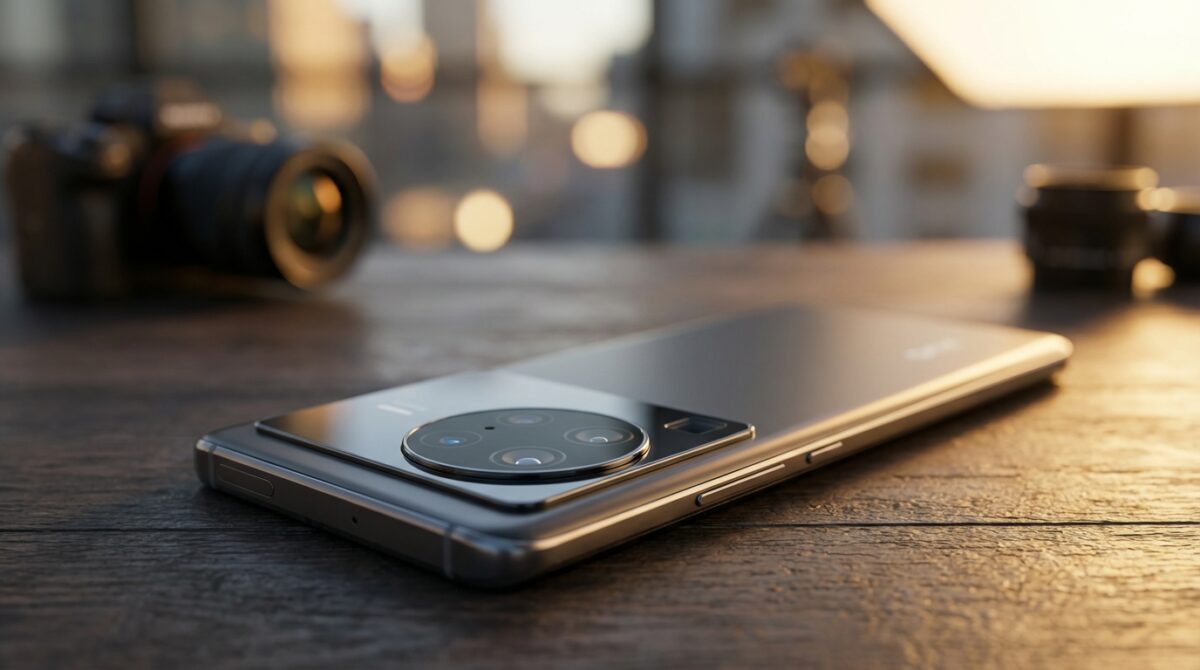
The moment you see a smartphone-sized 400mm lens clipped to a handset, you realize mobile photography has quietly crossed a new line. Vivo’s upcoming X300 Ultra is not just another flagship; it is a deliberate attempt to turn a phone into a modular professional camera rig you can carry in one hand.
Vivo X300 Ultra at MWC: A smartphone built around a lens
Vivo rarely attends big international trade shows, so its arrival at MWC with the upcoming X300 Ultra immediately signaled a shift in ambition. Instead of a standard spec sheet reveal, the company staged a hands-on showcase centered on one thing: how far a smartphone camera can go when you build the ecosystem around it.
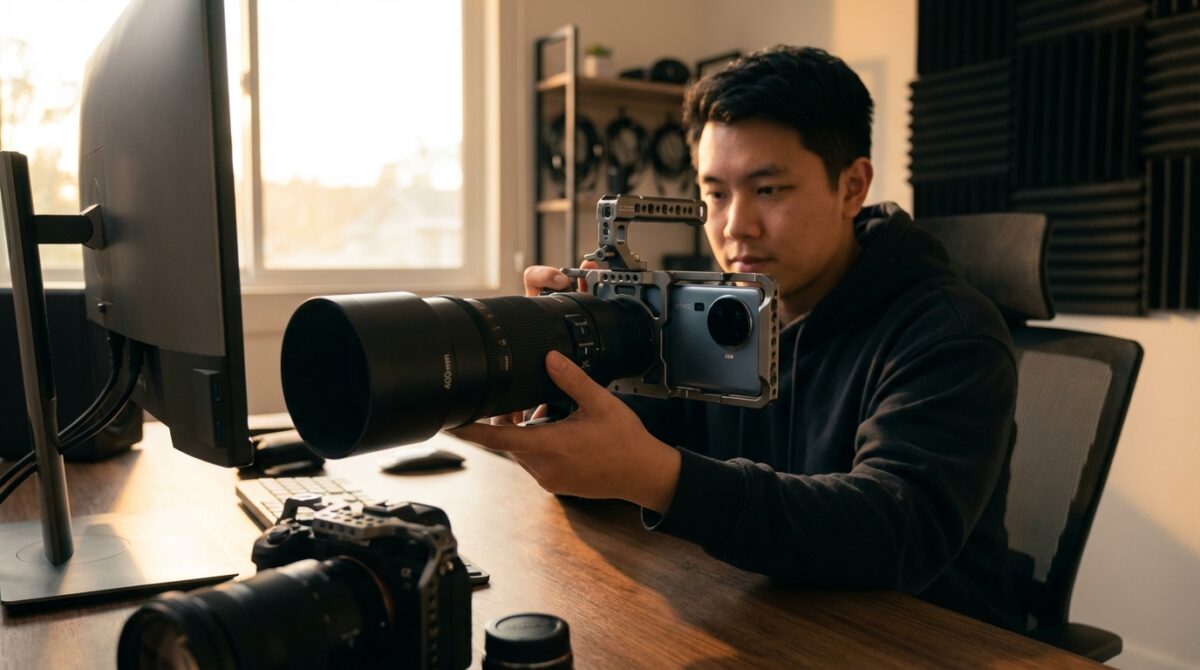
Journalists and creators were invited to handle a prototype configured with the new Telephoto Extender Gen2 Ultra, a redesigned camera grip, and a pro-style cage. The phone’s full technical sheet stayed under wraps, yet the message was clear. Vivo wants your next smartphone to be a viable alternative to carrying a dedicated camera body and long lens when you shoot on location.
The Motorola Razr Fold Emerges as a True Flagship Contender
Apple Integrates Advanced AI Features into the New $599 iPhone 17e
200MP telephoto and 400mm extender: Why this setup matters
The only core specification Vivo confirmed publicly is bold on its own: the X300 Ultra keeps a 200‑megapixel telephoto camera as its centerpiece. That resolution already powered many standout photos on the previous Ultra model, but now it is paired with the second‑generation telephoto extender, reaching a 400mm equivalent focal length in a compact module.
This extender, co‑engineered with Zeiss, evolves the earlier 200mm design that appeared on the X200 Ultra and is now supported across the X300 and X300 Pro lines. Sources such as industry event reports highlight how this lens doubles the reach without forcing users into heavy DSLR territory. You still get a pocketable Vivo smartphone, but your framing possibilities begin to resemble a field photographer’s toolkit.
From phone to camera rig: Grip, cage, and tactile control
A long lens is only helpful if the handling keeps up, which is where the new accessories show their value. The chunky camera grip now wraps around the upcoming device like a small mirrorless handle, with physical controls shifted for better thumb and index access. Observers quickly noticed a missing cut‑out where the X200 Ultra’s touch‑sensitive shutter once sat, indicating Vivo has chosen traditional buttons for a more reliable tactile experience.
The real shift arrives with the professional cage developed in partnership with SmallRig. Cold‑shoe mounts and quick‑release points let you attach lights, microphones, or extra monitors, while a dedicated cooling fan supports long 4K recording sessions. For a creator like Lena, a travel filmmaker who often shoots run‑and‑gun content, this means her main camera, audio rig, and stabilizer can all revolve around one mobile technology core instead of a bag of separate devices.
How the X300 family pushes mobile imaging ecosystems
The X300 Ultra does not exist in isolation; it builds on what the wider X300 series already introduced. Earlier launches detailed in outlets such as coverage of the X300 announcement describe dual 200MP Zeiss cameras, a custom Dimensity 9500 chipset, and dedicated imaging co‑processors. The X300 Pro, for example, pairs a 50MP Sony LYT‑828 main sensor with a 200MP periscope module and advanced 4K 120 fps video capabilities.
These specifications are not marketing flourishes; they create a foundation where the Ultra’s accessories make sense. When your base camera already handles high‑resolution stills and slow‑motion footage, the 400mm extender and cages turn that capability into a flexible system. A creator can start with an X300 Pro body, as described on Vivo’s own product information pages, then move to the Ultra when telephoto‑heavy work or documentary‑style shooting becomes a bigger part of their workflow.
Why telephoto lenses are redefining smartphone photography
For years, wide and ultra‑wide lenses dominated phone photography, ideal for landscapes, city scenes, and casual portraits. The rise of serious telephoto modules is quietly changing how users capture distant subjects. A 400mm equivalent focal length lets you frame stage performers, wildlife, or sports action from the stands without blowing up pixels or relying solely on digital zoom.
Analyses such as this explanation of telephoto lenses as underrated smartphone tools point out how compression, perspective control, and subject isolation become more cinematic once you move beyond 2x or 3x zoom. The X300 Ultra leans into that aesthetic. You can keep a performer sharp while the background melts away, a look previously associated with full‑frame cameras paired with long glass.
Practical use cases: Turning an upcoming Vivo into your daily workhorse
To understand where this advanced setup fits, imagine three different users. First is a freelance sports photographer who usually carries two camera bodies and a heavy 300mm lens. With the X300 Ultra and its extender in the bag, they gain a backup system for remote shoots or quick social updates from the sidelines, still achieving reach and clarity that satisfy editorial demands.
The second user is a travel vlogger juggling hotels, flights, and harsh baggage limits. For this person, a modular phone rig that can handle 4K high‑frame‑rate recording, attach a shotgun mic, and stay cool during continuous takes is transformative. When paired with creative editing advice such as the techniques described in guides on turning phone shots into film‑like images, the result is content that feels cinematic without heavy gear.
Key advantages of Vivo’s professional photography ecosystem
Creators comparing this upcoming handset to other premium phones can focus on how the ecosystem supports real work. The X300 Ultra does not just add another sensor; it rethinks how a smartphone can sit at the center of a video or photo workflow.
- Long‑reach 200MP telephoto with 400mm extender for distant subjects and tight framing.
- Physical grip and cage with buttons and cooling, supporting stable, tactile shooting sessions.
- Shared platform with X300 and X300 Pro, allowing accessories and techniques to carry over.
- Zeiss collaboration across optics, supporting better color, contrast, and edge rendering.
- Focus on professional videography with 4K high frame rate modes and reliable thermals.
Will the Vivo X300 Ultra launch outside China?
Yes, Vivo has confirmed that the X300 Ultra is planned for release in global markets rather than remaining China‑only. Exact country lists and launch windows have not been detailed yet, but company executives have indicated that European availability is a priority, while a United States release remains unlikely.
What makes the X300 Ultra’s camera different from other flagships?
The standout feature is a 200‑megapixel telephoto camera designed to work with a Zeiss‑engineered 400mm equivalent extender. Combined with a professional grip and cage system, this allows the phone to function like a compact long‑lens camera rig, aimed at creators who need reach, stability, and detailed imagery without carrying heavy traditional equipment.
Do I need the 400mm telephoto extender for everyday photography?
Most users will be well served by the built‑in cameras for portraits, landscapes, and street scenes. The 400mm extender targets enthusiasts and professionals who regularly shoot distant subjects such as sports, wildlife, or stage performances. It acts as an optional tool that expands what your phone can do, rather than a mandatory accessory for daily snapshots.
Can the new camera cage improve my video workflow?
The cage adds cold‑shoe mounts for microphones or lights, quick‑release points for tripods, physical shutter and zoom buttons, and active cooling. For anyone recording longer sessions, such as interviews, live performances, or documentaries, these features help maintain consistent quality while keeping the setup compact compared with a full cinema camera rig.
How does the X300 Ultra relate to the rest of the X300 series?
At Last! My Ultimate Camera Phone Is Here: An In-Depth Review of Xiaomi’s Leica Leitzphone
The Most Exciting Galaxy S26 Ultra Feature That Also Sparks a Bit of Paranoia
The X300 Ultra builds on the imaging platform introduced with the X300 and X300 Pro, which combine Zeiss‑branded optics, 200MP sensors, and custom chipsets optimised for photography and videography. Accessories such as telephoto extenders and grips are designed to complement this shared foundation, letting users move between models while keeping a similar shooting experience.