
Show summary Hide summary
- iPhone 17: The best iPhone for almost everyone
- iPhone 17 Pro and Pro Max: When only the best cameras will do
- iPhone 16e: The cheapest competent iPhone still on sale
- iPhone Air: Ultra-thin design for style-first buyers
- Practical iPhone buying tips and real-world scenarios
- A simple checklist to narrow your iPhone 2026 choice
- How do I choose between iPhone 17 and iPhone 17 Pro?
- Is the iPhone 16e still a good option in 2026?
- Does the iPhone Air make sense over the iPhone 17?
- How much storage should I choose for a new iPhone?
- When is the smartest time to upgrade to a new iPhone?
If you choose the wrong iPhone in 2026, you do not just waste money; you lock yourself into a daily experience that may frustrate you for years. The right choice, however, can feel invisible: the phone simply disappears into the background while you create, communicate, and work. Understanding which iPhone fits your habits is the real upgrade, not a new color or marketing slogan.
iPhone 17: The best iPhone for almost everyone
For many buyers comparing the latest iPhone models, the standard iPhone 17 quietly delivers the best balance of price, performance, and longevity. It is the first non-Pro model in years that does not feel like a compromise, especially if you care about iPhone performance, camera quality, and a modern display. The 6.3-inch OLED panel finally supports 120Hz ProMotion, so scrolling, gaming, and switching between apps feel noticeably smoother than on older 60Hz phones.
This screen also gets impressively bright, reaching up to 3,000 nits in direct sunlight, which makes navigation or reading outdoors far easier than on the iPhone 16. Because the refresh rate can drop to 1Hz, the always-on mode shows widgets and notifications without draining the battery too quickly. That kind of feature used to require a Pro model or a high-end Android rival from Samsung or Google, so it changes the value equation in this smartphone guide for iPhone 2026 buyers.
Top Apple AirTag Accessories to Watch for in 2026
AirTag 2 vs. AirTag 1: Exploring How Apple’s Latest Tracker Outshines the Classic Model
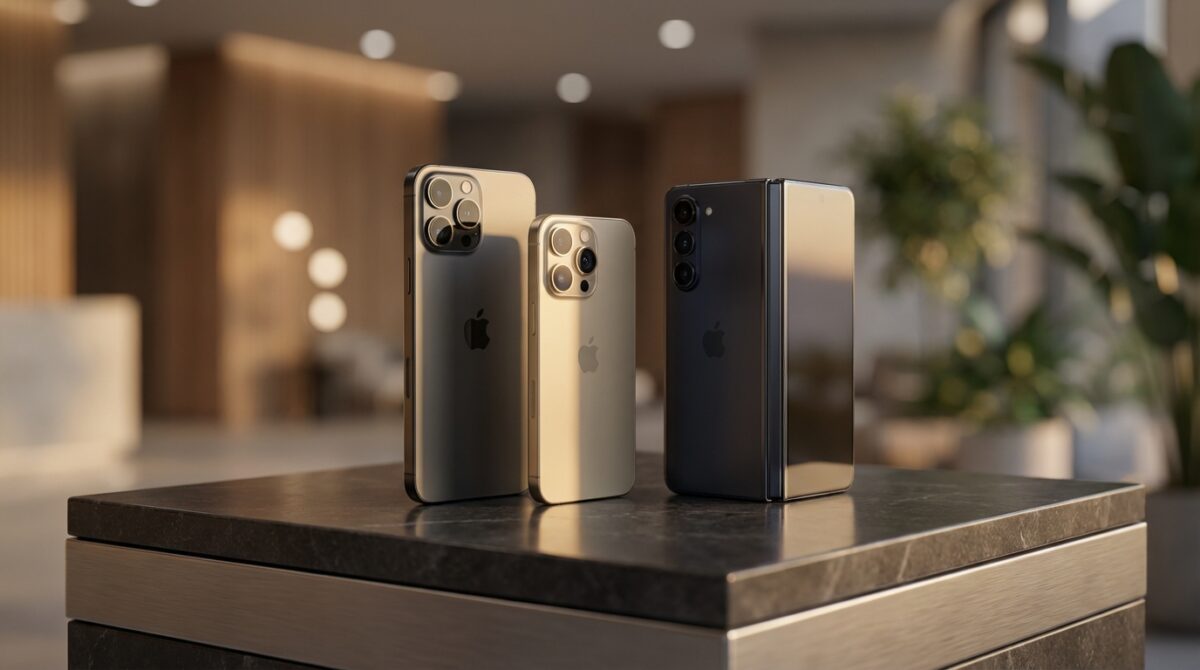
Display, cameras and everyday experience on iPhone 17
The iPhone 17’s dual 48MP rear cameras handle nearly every casual shooting scenario with ease. The main wide sensor is paired with a 48MP ultrawide, so landscapes, group shots, and architectural scenes look sharper than on older 12MP setups. You can also capture video using the front and rear cameras at the same time, which is useful for creators filming reactions, travel vlogs, or product demos without editing in extra angles afterward.
The 18MP front camera supports Apple’s updated Center Stage feature, keeping your face centered in landscape selfies or during video calls without forcing you to rotate the phone. Combined with the A19 chip and Apple Intelligence features such as smarter photo organization and on-device writing assistance, the phone feels built for both casual users and people who rely on their device as a pocket computer. For most, this package makes the iPhone 17 the best iPhone to buy unless you are targeting pro-grade zoom or niche design.
iPhone 17 Pro and Pro Max: When only the best cameras will do
Some buyers care less about price and more about squeezing every bit of capability from their phone. That is where the iPhone 17 Pro and Pro Max come in. These models share the same A19 Pro chip, a 120Hz always-on display, and aluminum unibody construction with a Ceramic Shield back, but they lean heavily into advanced camera hardware. Their triple system adds a 48MP telephoto lens with 4x optical zoom and convincing quality up to 8x, giving far more flexibility than the standard 17 for portraits, wildlife, or sports.
The main sensor on the Pro models is physically larger than the one on the iPhone 17, which improves low-light performance and dynamic range. You can shoot ProRAW stills for deeper post-processing or capture 4K Dolby Vision video up to 120 frames per second, which suits filmmakers, YouTubers, and social creators. When you pair this with extended storage options up to 2TB on the Pro Max, the phones behave more like compact cinema tools than simple handsets, especially when compared with older devices in any iPhone comparison chart.
Battery life, size decisions and who should pick Pro
Battery life on these models is noticeably stronger than on the base phone. Apple estimates up to 33 hours of video playback for the 17 Pro and up to 39 hours for the larger Pro Max. Real-world use will vary, yet testing suggests you can push the Pro Max through one very heavy day or nearly two lighter days before reaching for a charger, which matters if you travel often or work away from outlets.
The trade-offs are cost, weight, and a design that not everyone loves. The pronounced camera plateau and two-tone back give the devices a distinctive, somewhat industrial look. If you mainly message, browse, and take quick photos, the iPhone 17 remains more sensible. However, if you regularly shoot events, rely on your phone as a video camera, or expect to keep it for four or five years, the 17 Pro line justifies its position at the top of the iPhone 2026 range for power users seeking maximum camera quality iPhone options and extended battery life iPhone performance.
iPhone 16e: The cheapest competent iPhone still on sale
Many readers want the Apple experience with the smallest possible price tag, which is where the iPhone 16e enters this smartphone guide. It is not truly “budget” compared with midrange Android rivals, yet it is the least expensive way to access iOS, Apple Pay, iMessage, and FaceTime on a new device. The phone uses a 6.1-inch OLED display at 60Hz, so navigation does not feel as fluid as with the 120Hz panels on the 17 series, but image quality remains sharp and bright for video streaming and social apps.
Powered by the A18 chip with a 4-core GPU, the 16e still runs Apple Intelligence features and modern games smoothly, especially at standard frame rates. The single 48MP rear camera delivers reliable results in good light, though night photos and portraits lack the refinement of the dual and triple cameras higher up the range. There is also a 12MP front camera instead of the newer 18MP Center Stage unit, so seasoned video callers might notice the difference during remote meetings.
Where the 16e cuts corners and smart alternatives
To hit its lower price, the iPhone 16e omits several conveniences. There is no MagSafe, which blocks access to magnetic wallets, stands, and many third-party accessories, and wireless charging is limited to 7.5W. Storage starts at 128GB rather than 256GB. You also miss the Dynamic Island, living instead with the older notch design. These are not deal-breakers for light users, yet they make the iPhone 17 feel more modern and flexible for only a moderate price jump.
For bargain hunters, a refurbished iPhone 16 or 15 from a reputable seller can be more attractive than the 16e, particularly if you find trade-in offers or promotions similar to those highlighted in deals such as discounts on the newest iPad mini. Older Pro models may also offer better displays and cameras for similar money, though they will age out of software support sooner. If you prefer to walk into an Apple Store and buy something straightforward, the 16e is perfectly serviceable, but it is better seen as “entry-level iPhone” rather than true budget hero.
iPhone Air: Ultra-thin design for style-first buyers
The iPhone Air sits in an unusual place in the iPhone 2026 lineup. On a specification sheet, it makes little sense: you pay more than for an iPhone 17 yet lose the second rear camera, stereo speakers, and some battery endurance. However, once you hold it, the logic shifts. The titanium frame, 6.5-inch 120Hz always-on display, and extremely slim body create a sensation closer to holding a pane of glass than a traditional phone.
For some users, that feeling matters more than a telephoto lens. Designers, creative directors, and early adopters who enjoy objects like Leica cameras or high-end audio gear often describe the Air as an object they enjoy picking up, not just a tool. The phone still runs a version of the A19 Pro chip, so iPhone performance for editing, gaming, or running Apple Intelligence is not compromised. Battery life can reach a full day with typical use, although it trails the iPhone 17 and the Pro models when you stream video or play games heavily.
Design trade-offs and who should consider iPhone Air
The downside is clear if you approach the purchase as a pure cost–benefit calculation. You get only a single 48MP rear camera, no ultrawide or telephoto, and mono audio instead of stereo. There is also no mmWave 5G support, which may matter if you live in dense urban environments that still use those bands for peak speeds. In practice, many owners lean on the excellent main sensor, enjoy the lighter weight, and accept that they are paying a premium mostly for industrial design.
This mindset is similar to choosing a highly customized Mac from Apple’s online store through services such as those examined in detailed hardware customization guides. The iPhone Air is not the best iPhone for every checklist, yet it delivers an emotional response whenever you unlock it. If that kind of everyday delight matters more than raw camera variety, the Air may fit you better than any spec monster, especially if you already own dedicated cameras or tablets for heavy media work.
Practical iPhone buying tips and real-world scenarios
Choosing between all these devices can feel abstract until you match them to concrete lifestyles. Imagine Sara, a freelance videographer who edits short documentaries on the go. She benefits from the iPhone 17 Pro Max because its telephoto lens, large sensor, and stronger battery let her film long interviews and capture distant details without reaching for extra gear. Storage up to 2TB also allows her to keep raw clips on the phone until she returns to her studio.
Now consider Leo, an IT consultant who spends much of his time traveling between client sites. For him, battery life iPhone metrics and pocket comfort matter more than triple cameras. The regular iPhone 17 offers enough performance for remote desktops, note-taking, and video calls. If he frequently flies on routes with improved inflight connectivity, like those covered in analyses of advanced systems such as next-generation in-flight internet, the 17’s balance of size and endurance supports long connected sessions without a power bank.
A simple checklist to narrow your iPhone 2026 choice
When you feel stuck between several models, a short checklist helps translate iPhone features 2026 marketing into a personal decision. Ask yourself what matters during a typical day and week, not during rare edge cases like a once-a-year vacation. Then match those needs to concrete hardware traits rather than vague ideas of “future proofing”. This shift from abstract to practical thinking often clarifies the decision within minutes.
- If you want the most balanced phone for years of use: pick iPhone 17.
- If you shoot serious photos or video and need zoom: pick iPhone 17 Pro or Pro Max.
- If price is your top concern and you just need iOS basics: pick iPhone 16e or a refurbished 16/15.
- If design and thinness matter more than extra cameras: pick iPhone Air.
- If you upgrade rarely, prioritize storage (256GB or more) to avoid constant cleanup.
This approach turns an overwhelming iPhone comparison into a manageable choice grounded in how you actually live. Instead of chasing the most expensive option, you select the model that will feel invisible and reliable during your busiest days while still letting you enjoy the best iPhone experience your budget allows.
How do I choose between iPhone 17 and iPhone 17 Pro?
Start from your camera needs. If you mainly take casual photos, the iPhone 17 already offers dual 48MP lenses, strong battery life, and a 120Hz display at a lower price. If you need a dedicated telephoto lens, better low-light performance, ProRAW stills, or long 4K Dolby Vision recording, the 17 Pro line earns its premium. For most people who are not serious photographers or videographers, the iPhone 17 is sufficient and more cost-effective.
Is the iPhone 16e still a good option in 2026?
Yes, if your priority is spending as little as possible while still buying a new iPhone with modern software support. The iPhone 16e runs Apple Intelligence, uses a bright OLED screen, and has competent performance for messaging, streaming, and light gaming. It lacks MagSafe, has only one rear camera, and uses a 60Hz display, so it feels less refined than the iPhone 17. When budgets allow, the 17 offers a noticeably better experience for a modest extra cost.
Does the iPhone Air make sense over the iPhone 17?
It makes sense for design-focused users who value thinness and lightness more than extra cameras or speakers. The iPhone Air is more expensive than the iPhone 17 but loses the second rear camera and stereo sound, and its battery is shorter. However, its titanium frame, ultra-slim body, and 6.5-inch 120Hz display create a unique feel that some people simply enjoy using every day. If you see your phone as a design object as much as a tool, the Air can be a satisfying choice.
How much storage should I choose for a new iPhone?
Top Fast Chargers to Power Your Devices in 2026
Top Cameras to Watch Out for in 2026
For most users, 256GB is a safe baseline, especially if you shoot a lot of photos and 4K video or install many large games. Heavy creators who record long-form 4K content or keep extensive offline media libraries should look at 512GB or higher, particularly on the iPhone 17 Pro or Pro Max. Light users who rely on cloud services can live with 128GB on the iPhone 16e, but they may need to manage storage more often over the phone’s lifespan.
When is the smartest time to upgrade to a new iPhone?
For buyers who care about longevity, upgrading shortly after Apple’s September launches keeps the device current for the longest period and often coincides with price drops on previous-generation models. However, the best time is when your existing phone no longer meets your needs—whether that is poor battery life, limited storage, or missing features like modern cameras and Apple Intelligence. Waiting specifically for big discounts on brand-new iPhones is rarely necessary, since large cash reductions on unlocked units remain uncommon.