
Show summary Hide summary
- Meta smartwatch launch: What “Malibu 2” really signals
- How Meta’s first smartwatch could change daily interactions
- Competition in wearables: Why Meta’s move matters
- From Meta Quest to your wrist: Building a unified ecosystem
- How to evaluate Meta’s smartwatch if you already own gadgets
- Practical checklist for potential Meta smartwatch buyers
- What makes the Meta smartwatch different from existing wearables?
- Will the Meta smartwatch work with both Android and iOS phones?
- How will Meta AI improve the smartwatch experience?
- Is Meta focusing on health features or mixed reality control?
- How should I compare the Meta smartwatch to Apple Watch or Samsung models?
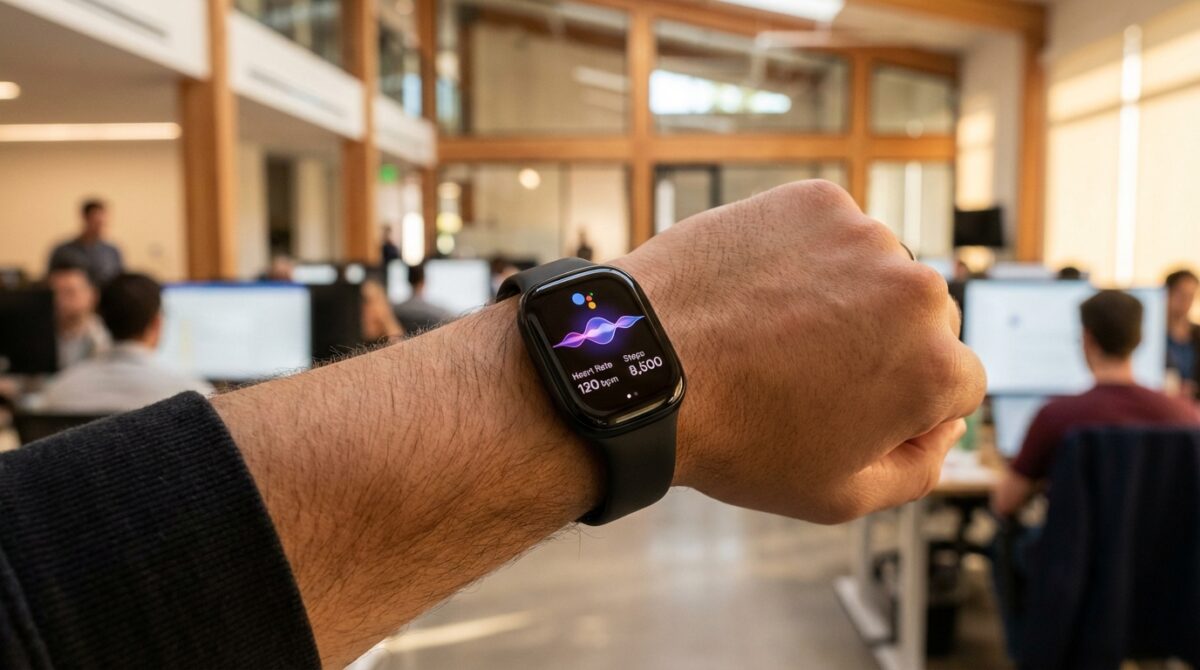
Your next wearable might not come from a traditional watchmaker or a phone brand, but from the company behind your social feeds and VR headset. Meta is quietly preparing a smartwatch that blends health tracking, AI assistance and its wider ecosystem, and the implications for your wrist are far bigger than a simple new gadget launch.
Instead of building just another fitness tracker, Meta appears to be designing a command center for its AI services, mixed reality ambitions and social platforms. For professionals watching the evolution of consumer electronics, this device could show how AI-first interfaces will move from phones and PCs to always-on wearables.
Meta smartwatch launch: What “Malibu 2” really signals
When reports surfaced that Meta had revived its smartwatch initiative under the internal codename “Malibu 2,” many observers assumed a straightforward hardware comeback. In reality, the project signals a strategic shift inside Meta’s Reality Labs, where budgets were trimmed after years of heavy spending and layoffs hit more than a thousand employees. Instead of abandoning wearables, leadership redirected investment toward glasses and wrist devices that can anchor future mixed reality experiences.
Top Budget-Friendly Smartphones to Watch for in 2026
Galaxy S26 Rumors Unveiled: Fresh Insights Into Samsung’s Next-Gen Smartphones
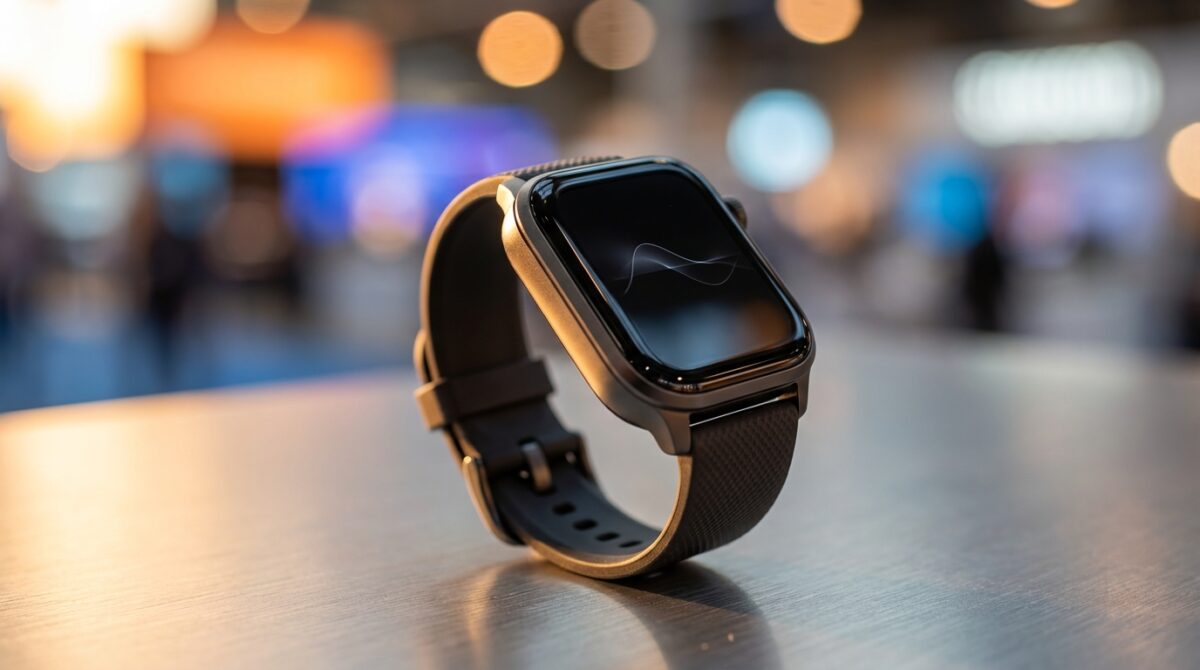
According to coverage from outlets such as Reuters and The Information, the company initially paused its earlier watch prototypes around 2022. Those concepts reportedly experimented with detachable cameras and even versions with multiple sensors for photos and video. The pause coincided with a tightening focus on devices that could scale better than niche experimental hardware. The rebooted smartwatch now aims to ship later this year with two clear promises: integrated Meta AI and robust health tracking.
From shelved concept to ecosystem cornerstone
The earlier generation of Meta smartwatch concepts reportedly ran on an open-source variant of Android. Engineers explored how a watch could control Meta Quest headsets, trigger cameras and act as a companion to smartglasses. When cost cutting arrived, those more experimental paths gave way to a streamlined goal: release a commercially viable device that showcases Meta AI in a daily-use context. This is why the current Malibu 2 effort looks less like a quirky gadget and more like a pillar of Meta’s broader technology roadmap.
For a product manager planning a portfolio of gadgets, this trajectory will sound familiar. Apple refined the Apple Watch into a health and notification hub; Samsung focused on fitness and Android integration. Meta appears to be betting that its unique strength lies in AI-driven interactions and social connectivity. The watch becomes a proving ground for how people want to speak with an AI assistant that understands their activity, location and social graph, without needing to pick up a phone.
How Meta’s first smartwatch could change daily interactions
Imagine a user like Alex, a product designer who already owns a Meta Quest headset and a pair of Ray-Ban smartglasses. Today, Alex uses the glasses to capture short clips, receive notifications and access Meta AI sporadically. With the Malibu 2 watch on the wrist, this pattern can change. The smartwatch can surface context-aware prompts, suggest break reminders based on heart rate patterns and coordinate between glasses and headset for meetings or VR design sessions.
Meta’s watch is expected to include heart rate measurement and standard fitness tracking, but the more interesting layer sits in the AI features. Meta AI could summarize notifications, propose responses based on your past behavior and even help schedule time by learning what you tend to ignore. For users who already feel overwhelmed by constant pings from multiple apps, the idea of a wrist-based filter that prioritizes what matters most has clear value.
From notifications to AI-driven guidance
Most smartwatches notify you when you are moving too little, sleeping too late or missing calls. The next step for Meta is to interpret those signals through AI. Suppose the device detects a week of elevated resting heart rate, scattered sleep and longer working hours. Instead of a generic alert, Meta AI could propose specific adjustments: a shorter afternoon meeting, a guided breathing session, or even recommending a VR relaxation app from the Meta Quest ecosystem.
This kind of guidance is more than a novelty. Professionals managing high workloads often struggle to transform health data into action. A proactive assistant integrated into your wearable could narrow that gap. Reports from sources such as Gadgets 360 suggest that Meta views the smartwatch as an on-ramp for managing gesture control and interactions that might later move into neural wristbands. The watch, then, becomes a training ground where users build trust in AI suggestions, while Meta gathers anonymized patterns for future products.
Competition in wearables: Why Meta’s move matters
The smartwatch market is not empty space. Apple, Samsung, Huawei and brands like Amazfit have already created mature lineups that span premium to budget segments. Apple has reinforced its presence with models such as the Apple Watch Series 11, which recently drew attention for a more aggressive price positioning discussed in analyses like this overview of its 299 price point. For Meta to enter this field, the company must offer more than another workout tracker with notifications.
Look at how other players are adapting. Huawei has pushed devices like the Watch GT series, now frequently discounted as seen in reports on dramatic price drops. Amazfit is expanding its app ecosystem on Zepp OS, as noted in coverage from specialized smartwatch reports, to offer more services without relying entirely on phone platforms. Meta’s advantage does not lie in traditional watchmaking or long battery life benchmarks. Its advantage lies in connecting the watch to social networks, VR devices and an AI stack trained on enormous data.
Meta versus incumbents: Different playbook, different expectations
Where an Apple Watch often serves as a natural extension of the iPhone, the Meta smartwatch is more likely to act as a bridge across platforms. A user might pair it with an Android smartphone, use it to control a Meta Quest headset and rely on Meta AI for cross-app tasks. Reports from outlets like CNET argue that this cross-platform orientation could appeal to users who avoid lock-in but still want a cohesive ecosystem.
Yet this strategy carries risk. Consumers already evaluating fast chargers, earbuds and other gadgets, such as those highlighted in roundups of top chargers and audio devices, often favor simplicity and reliability. Meta must convince them that adding one more wearable to their lineup will actually reduce friction, not create another ecosystem to manage. Success will depend on how well the watch integrates with existing phones and services, rather than forcing a completely new workflow.
From Meta Quest to your wrist: Building a unified ecosystem
Meta’s current wearables portfolio is anchored by Meta Quest headsets and Ray-Ban smartglasses. These products already hint at the company’s long-term ambition: a blend of virtual reality, augmented interfaces and ambient AI that follows you through different contexts. The Malibu 2 watch fits into this picture as the always-on companion, tracking motion, offering low-friction controls and serving as a subtle screen when headsets or glasses are not in use.
Consider how this might work during a workday. In the morning, you check a calendar summary on the smartwatch, generated by Meta AI after scanning email, Messenger and WhatsApp threads. During a design review, you switch to a Meta Quest headset; the watch can handle quick notifications and microphone mute toggles. Later, you slip on Ray-Ban smartglasses for a walk, where the watch tracks your heart rate while the glasses capture content and handle voice queries. Over time, the user no longer thinks about individual devices, only about a continuous layer of services.
Why gesture control and future interfaces start at the wrist
Previous Meta research into neural wristbands suggested a future where subtle finger movements could control AR interfaces. While that technology develops, the smartwatch can serve as a staging ground for simpler gestures: wrist raises, taps, swipes and haptics that coordinate with glasses or VR. Reports like those from Android Authority hint that Malibu 2 might absorb some roles originally planned for standalone wristbands, such as interpreting arm motion to manipulate virtual content.
For developers and product teams, this evolution matters. Designing apps for a Meta smartwatch means thinking beyond step counts or simple notifications. You may need to imagine interactions where a flick of the wrist rotates a 3D model in a Meta Quest app, or where a haptic pattern on the watch nudges a user to look toward an AR overlay in smartglasses. The watch becomes both a sensor hub and a subtle feedback channel, which pushes wearable design into new territory.
How to evaluate Meta’s smartwatch if you already own gadgets
Many potential buyers will not be smartwatch newcomers. They already juggle phones, audio gear and maybe a current watch from Apple, Samsung or another brand. When this Meta device arrives, the decision will not be “watch or no watch,” but whether the new product meaningfully upgrades an existing mix of technology. A structured way to assess it can help cut through the marketing noise.
When reviewing the Malibu 2 or any new wearable, you can ask a few practical questions. Does it integrate with your current phone and services with minimal setup? Does Meta AI provide insights you cannot get from existing assistants? Does the health tracking offer metrics you will actually use, instead of numbers that only look impressive in a dashboard? Considering these points can prevent an impulse purchase that adds little value.
Practical checklist for potential Meta smartwatch buyers
A simple framework can make the decision clearer. Before committing budget to another device, you might run through a short list similar to the one below and score each point for your own situation. This approach is useful whether you are an individual user or an IT lead thinking about recommending wearables to a team.
- Compatibility: Does the watch work smoothly with your current smartphone platform and key productivity apps?
- AI value: Are Meta AI features meaningfully better for your workflow than existing voice assistants?
- Health insights: Will the health tracking metrics translate into realistic behavior changes for you?
- Ecosystem benefit: Do you own or plan to own devices like Meta Quest or smartglasses that benefit from deeper integration?
- Privacy comfort: Are you satisfied with Meta’s data policies and controls over how your health and usage data are processed?
For enthusiasts who already follow news from sources such as BusinessToday’s coverage of Meta’s launch plans or deeper analyses on The Verge and other outlets, this evaluation mindset can turn hype into actionable criteria. The real test for Malibu 2 will be whether it moves beyond novelty and becomes a tool you rely on daily, much like your primary phone or work laptop.
What makes the Meta smartwatch different from existing wearables?
Reports indicate that Meta is designing its first smartwatch around integrated Meta AI and tight links to its ecosystem, including Meta Quest headsets and Ray-Ban smartglasses. Instead of focusing solely on fitness, the device is expected to act as an AI-first control center for notifications, health insights and cross-device interactions. This positions it less as a standalone tracker and more as a hub for Meta’s broader services.
Will the Meta smartwatch work with both Android and iOS phones?
Meta has not officially detailed compatibility, but earlier smartwatch concepts reportedly relied on an open-source Android base and aimed for broad connectivity. Industry observers expect the new model to support at least Android phones and likely offer some level of integration with iOS. The depth of features may vary by platform, so buyers should verify pairing options once official specifications are released.
How will Meta AI improve the smartwatch experience?
Meta AI on the watch is expected to go beyond simple voice commands. By combining activity data, notification patterns and your social graph, the assistant could prioritize important alerts, propose schedule adjustments and suggest health actions in context. The goal is to turn raw metrics and message streams into timely recommendations that reduce cognitive load rather than adding more noise.
Is Meta focusing on health features or mixed reality control?
Transform Your Phone into a Classic Game Boy with the Pocket Taco
A Complete Guide to Personalizing Your iPhone Home Screen with iOS 26
Current reports suggest that Meta is pursuing both directions. The smartwatch should offer competitive health tracking, such as heart rate monitoring and activity metrics, to match market expectations. At the same time, Meta appears to view the device as a bridge to its mixed reality ecosystem, supporting interactions with Meta Quest and smartglasses and potentially informing future gesture-based control systems.
How should I compare the Meta smartwatch to Apple Watch or Samsung models?
When comparing, you can look beyond basic specifications and focus on ecosystem fit. Apple Watch and Samsung devices excel as extensions of their respective phone platforms, offering polished health tracking and mature app stores. The Meta smartwatch needs to be assessed on how well Meta AI, social features and cross-device control serve your own daily routines. Evaluating compatibility, AI usefulness and long-term software support will provide a clearer basis for choosing between them.