
Show summary Hide summary
- How the Pokémon Game Boy music player actually works
- Why 8-bit Pokémon music still hits after 30 years
- Inside the broader Pokémon 30th anniversary celebration
- Why this Retro Music Player matters for collectors
- How to integrate the Game Boy jukebox into your daily life
- Ideas to get more value from your anniversary Music Player
- What exactly is the Pokémon Game Music Collection device?
- How many tracks are included and how are they accessed?
- Does the music sound like the original Game Boy hardware?
- Where can fans buy the anniversary Music Player?
- Is this device aimed at active gamers or mainly collectors?
Nostalgia rarely comes in tiny plastic cartridges, yet this time it does. To commemorate 30 years of Pokémon, Nintendo and The Pokémon Company are turning the original Game Boy into a pocket-sized Music Player that feels like a lost artifact from your childhood.
Instead of another remake or spin-off, the anniversary spotlight falls on sound. The new Pokémon Game Music Collection transforms the beeps and chiptunes of Red and Blue into a tactile jukebox you can hold, display, and share with anyone who remembers trading Link Cables at recess.
How the Pokémon Game Boy music player actually works
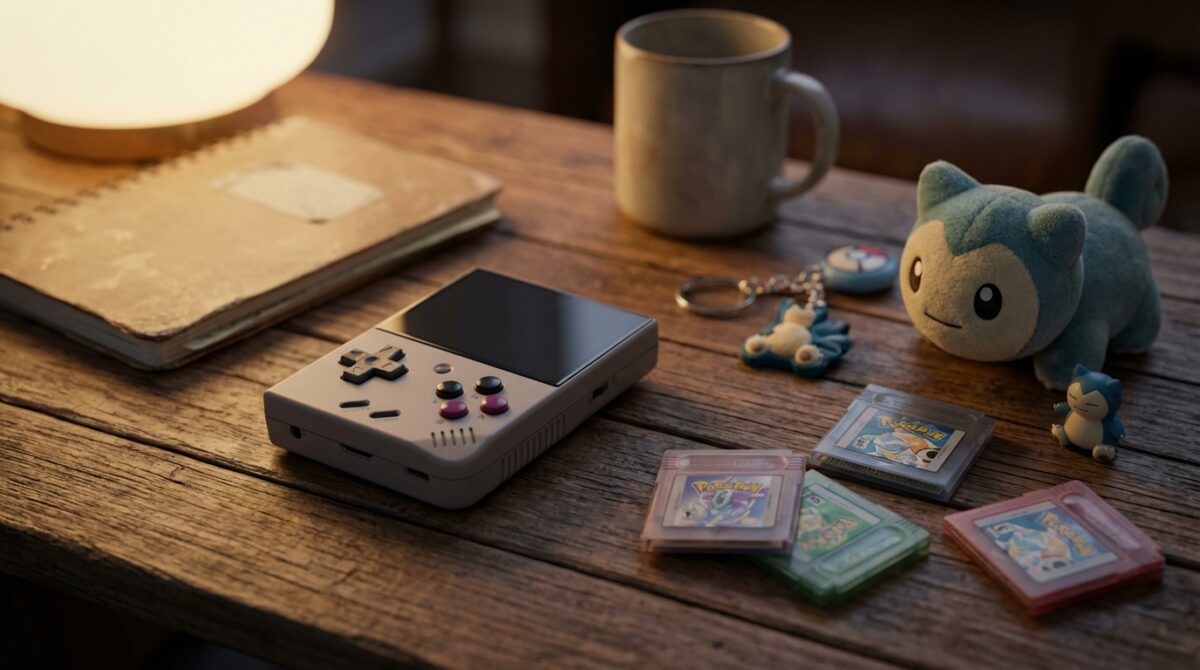
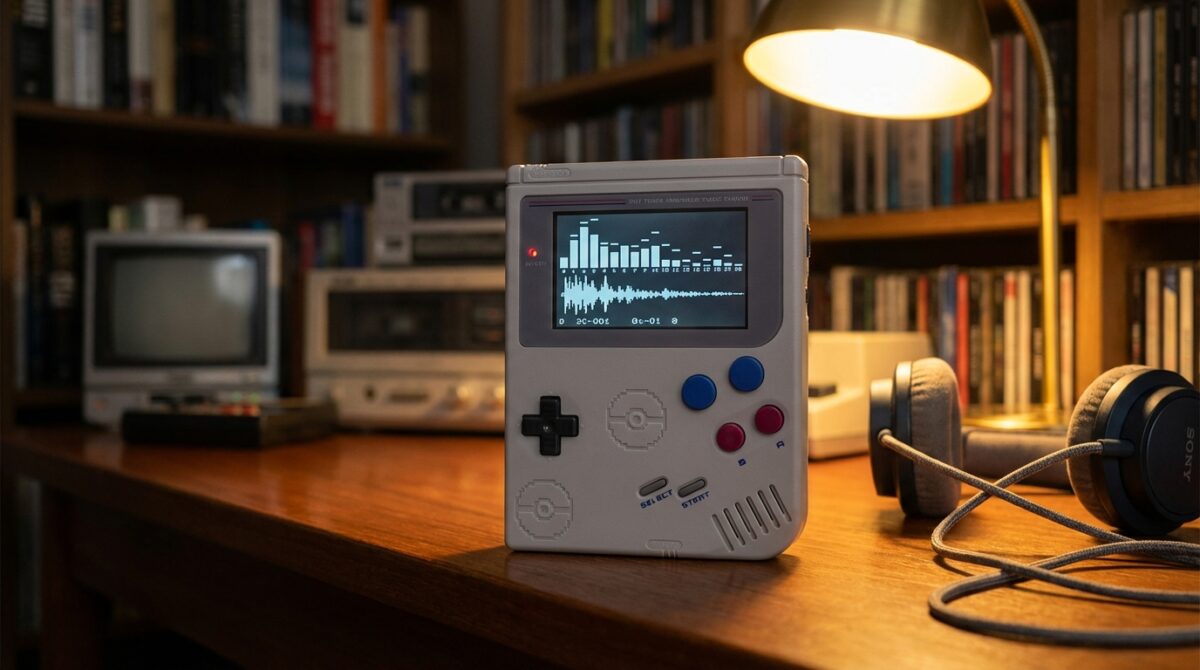
The Pokémon Game Music Collection looks at first glance like a shrunken Game Boy pulled from an alternate 1990s timeline. It is a dedicated Music Player that focuses on the soundtrack from the earliest Pokémon adventures, rather than playing cartridges in the traditional Gaming sense. You slide in tiny game-inspired cards, press a button, and the device answers with pure Retro audio straight from Kanto.
Honor Announces Launch of Its Innovative Robot Phone Scheduled for Later This Year
Google and OpenAI Staff Unite in Open Letter Showing Solidarity with Anthropic
Each of the 45 mini cartridges unlocks a single track or sound effect from Pokémon Red and Blue. One card might contain the Pallet Town theme, another the bike music, another a classic battle jingle. According to long-time series composer Junichi Masuda, who revealed the device during a Pokémon Presents broadcast, the internal hardware and mixing were tuned so that the sound profile mirrors the original Game Boy as closely as possible. The Music Player is less a gimmick and more a portable tribute to that specific 8-bit soundscape.
Cartridges that mimic playing while you listen
Beyond the audio itself, the design leans into visual Nostalgia. Every cartridge features a Pixel Art style screenshot from the original games. When you insert it into the front slot, the screen area of the Music Player suddenly looks like it is running a tiny frozen scene. A route with tall grass, a battle screen, or a familiar town layout appears as if you had just powered on a Game Boy in 1996, creating an illusion of active play while the melody loops in the background.
This hybrid of image and sound matters because fans remember specific tracks together with the locations where they first heard them. A route theme carries memories of grinding for experience; a Pokémon Center jingle recalls that relief after a narrow victory. By pairing each song with a static in-game frame, the device reactivates those layered memories in a very direct way. You are not only hearing a tune; you are revisiting the exact moment when you first stepped into Viridian Forest.
Why 8-bit Pokémon music still hits after 30 years
For many players who grew up with the original cartridges, the chiptune tracks of Red and Blue were their first exposure to emotionally charged game music. Those looping themes carried long road trips, late-night sessions under a lamp, and intense link battles with siblings. When Masuda speaks about protecting the integrity of the original sound on the new Music Player, he is acknowledging how these early compositions became part of people’s personal histories.
Three decades later, the raw limitations of Game Boy hardware have turned into a strength. The restricted sound channels forced composers to prioritize melody above all else. The result is that you can hum most Kanto themes without seeing a single sprite on screen. By recreating that exact timbre and compression instead of modernizing it, the anniversary Music Player respects the way human memory encodes sound: imperfect, slightly crunchy, but instantly recognizable.
A soundtrack that shaped portable gaming culture
When you think about the wider impact of the Pokémon score, you begin to see why a dedicated Retro Music Player makes sense. Those tracks were heard on buses, in schoolyards, and during family vacations as millions carried their Game Boy everywhere. The music blended with ambient life noise, so hearing it again now can summon whole scenes from childhood. That emotional recall is difficult to reproduce with orchestrated remasters alone.
Deploying a miniature Game Boy-shaped jukebox as part of the anniversary strategy also fits Nintendo’s long affection for its own history. Reports from outlets like IGN’s coverage of the mini Game Boy jukebox concept highlight how the company continues to test small, collectible hardware that doubles as memorabilia and conversation piece. The Pokémon Game Music Collection slots neatly into that pattern while focusing on sound rather than play.
Inside the broader Pokémon 30th anniversary celebration
The Music Player does not arrive in isolation. The entire year has been framed as a celebration of the Pokémon franchise’s 30-year milestone, anchored to the original release of Pokémon Red and Green in Japan. According to community resources such as Bulbapedia’s anniversary overview, the branding stretches across events, product lines, and digital releases, all designed to let both veterans and new trainers experience the early years in some form.
Alongside the Game Music Collection, Nintendo has re-released Game Boy Advance remakes of the classic titles through Nintendo Switch Online, giving players a modern route to revisit Kanto’s story. Merchandise drops include Kanto starter plushes, Retro Pixel Art pins, and apparel that fuses 1990s color palettes with current streetwear cuts. Each piece echoes the original handheld era, yet feels engineered for photos, streams, and social posts that fans share during Pokémon Day activities.
How the Game Boy jukebox fits the merch ecosystem
For a fan like Alex, a long-time player now working as a UX designer, the anniversary line-up presents a layered experience. Alex might start the evening by queuing the Pokémon Day livestream, then scroll through coverage from sites like GamingBible’s look at 30th anniversary retro merch, before finally preordering the Music Player on Pokémon Center. The device becomes one element in a broader ritual of remembering how Gaming once felt more limited yet somehow more intimate.
Even smaller outlets have joined the celebration. Recaps such as the detailed breakdown on The Black Dog Chester’s Pokémon Presents 2026 article show how local communities, bars, and fan hubs are turning Pokémon Day into physical meetups with quiz nights and themed menus. Bringing the Music Player to such gatherings turns background music into an interactive object that guests can handle, swap cartridges with, and discuss between battles in more recent titles.
Why this Retro Music Player matters for collectors
For serious collectors, the Pokémon Game Music Collection ticks several important boxes at once. It references historic hardware, focuses on a limited segment of the franchise’s soundtrack, and ships with a finite set of 45 cartridges. Completionists will instantly recognize the appeal of hunting down every card, arranging them, and perhaps even leaving some sealed as long-term display items. The design encourages that behavior by giving each cartridge distinct Pixel Art that looks good lined up on a shelf.
Alex, our hypothetical fan, might approach it less as an audio gadget and more as a centerpiece for a Kanto-themed corner at home. Next to the device sits last year’s LEGO-style brick build of a classic handheld, perhaps a framed print of a favorite team, and a binder filled with vintage trading cards. The Music Player becomes a focal point that bridges different forms of memorabilia: physical builds, paper collectibles, and digital memories embodied through music. In this context, the actual sound playback is only one layer of value.
Practical uses beyond display and collecting
The utility of the Music Player extends into everyday situations, even if you do not treat it as rare merchandise. You could place it on a desk as a low-volume background soundtrack while working, rotating cartridges to match your focus level. Calm town themes support concentration; energetic battle tracks give short bursts of motivation. The limited runtime of each loop encourages breaks, since you need to swap cards occasionally rather than letting a long playlist fade into the background.
During social gatherings with long-time fans, the device doubles as a party starter. Guests can take turns choosing a cartridge, then telling the story of where they were when they first heard that track. Those spontaneous anecdotes turn the Music Player into an informal storytelling prompt. By anchoring memories to sound, it builds shared history among people who may have played the same games years apart but feel connected by the same melodies.
How to integrate the Game Boy jukebox into your daily life
Owning the anniversary Music Player raises a practical question: how do you make sure it does not end up forgotten in a drawer after the initial wave of excitement? The answer lies in weaving it into routines and spaces instead of treating it as a fragile artifact. The device is compact enough to sit near your PC monitor, beside a turntable, or on a bedside table, quietly reminding you to revisit those 8-bit journeys when you need a reset.
Many fans already use Pokémon-related rituals to punctuate their week, such as mobile check-ins or card-game nights. Adding the Music Player to that set of habits can be simple. Choose a weekly “Kanto hour” where you rotate through a handful of cartridges while you read, sketch, or sort trading cards. Over time this small ritual gives structure to your Nostalgia, turning it from occasional longing into a stable source of comfort and creativity.
Ideas to get more value from your anniversary Music Player
To make ownership more intentional, you can plan a few concrete uses from day one. That way the device serves as more than a souvenir and genuinely enriches your environment. Consider how the following ideas might fit your habits and spaces at home or in the office.
Some practical ways to integrate the Retro Game Boy-inspired Music Player include:
- Using calm town themes during reading or study sessions for a gentle, looping background.
- Bringing the device to Pokémon TCG nights so players can each pick a track before their match.
- Setting a cartridge as a “focus timer” melody: when it loops five times, you stand up and stretch.
- Placing it in a hallway or entry shelf as a conversational object when friends visit.
- Recording short videos or streams where cartridge choices match in-game challenges or team builds.
These small implementations transform the Music Player from a static collectible into a living part of your routine. When music becomes a recurring signal for focus, play, or unwind time, the anniversary hardware continues to deliver value long after Pokémon Day passes.
What exactly is the Pokémon Game Music Collection device?
It is a palm-sized Retro Music Player shaped like a classic Game Boy, designed specifically for Pokémon’s 30th anniversary. Instead of playing video games, it plays authentic-sounding tracks and sound effects from Pokémon Red and Blue using 45 individual mini cartridges that each contain one melody or jingle.
How many tracks are included and how are they accessed?
The device ships with 45 tiny cartridges, and each one unlocks a single track when inserted. Every card displays a Pixel Art screenshot from the original games. When you slide it into the front slot, the artwork appears where a Game Boy screen would be, and the corresponding song or sound effect begins to loop through the built-in speaker.
Does the music sound like the original Game Boy hardware?
According to series composer Junichi Masuda, the internal audio design was tuned so that the output resembles the limitations and timbre of the original handheld. The goal is not to create modern remasters, but to reproduce the nostalgic chiptune character that players heard on their Game Boy during the late 1990s.
Where can fans buy the anniversary Music Player?
The Pokémon Game Music Collection has been announced as a Pokémon Center product. Regional availability and pricing may differ, so interested buyers are encouraged to follow official Pokémon communications and major gaming outlets that cover anniversary merchandise drops for the most up-to-date purchase information.
Is this device aimed at active gamers or mainly collectors?
Set Sail with Pokémon Winds and Waves on Nintendo Switch 2 Releasing in 2027
Google Maps Set to Offer Full Features in South Korea
The Music Player appeals to both groups, but its core audience is fans who value Pokémon history and physical memorabilia. It does not run full games, so it functions more like a collectible jukebox, a display piece for a Game Boy-themed shelf, and a conversation starter at community Gaming events rather than a portable console replacement.